Wondering why some Abington homes sell quickly while others sit and chase the market? If you are getting ready to sell, the biggest mistakes usually happen before the listing goes live: skipping prep, guessing on price, or missing compliance items that delay a closing. The good news is that with the right plan, you can present your home well, support your asking price, and reduce avoidable surprises once buyers start showing interest. Let’s dive in.
Why pricing and prep matter in Abington
Abington is a small South Shore town in Plymouth County, located roughly halfway between Boston and Plymouth. Public data shows a July 1, 2024 population estimate of 17,090, an owner-occupied housing rate of 72.7%, and a 2020 to 2024 median value of owner-occupied homes of $539,600. That points to a community with a strong owner-occupant resale market and home values generally in the mid-$500,000s.
Recent market trackers also show that Abington remains relatively competitive, even though each source measures the market differently. Realtor.com reported 24 homes for sale in April 2026, a median listing price of $549,900, a median sold price of $555,000, 21 median days on market, and a 100% sale-to-list ratio. The Massachusetts Association of REALTORS® reported a year-to-date median sales price of $567,500 for single-family homes, 1.0 months of supply, 30 cumulative days on market, and 97.7% of original list price received as of March 2026.
What does that mean for you as a seller? In a tighter market, buyers still notice overpricing quickly. Good preparation helps your home feel move-in ready, while accurate pricing helps you attract serious showings instead of early hesitation.
Start with condition, not wishful thinking
Before you think about a list price, look honestly at your home’s current condition. Buyers often respond best to homes that feel clean, cared for, and easy to picture themselves living in. That does not mean you need a major remodel.
The strongest pre-listing updates are usually the practical ones that reduce buyer doubt. Deep cleaning, decluttering, neutral paint, and simple staging can help your home show better without over-improving for the market. Research referenced in the report also notes that buyers are often looking for move-in-ready homes that do not come with immediate repair costs.
If your budget is limited, focus first on anything visible, safety-related, or likely to come up during an inspection. A loose railing, water stain, broken outlet cover, or damaged trim may seem minor to you, but buyers can read those items as signs of deferred maintenance. Taking care of them early can help protect your pricing strategy later.
Focus on the updates buyers notice first
Not every project gives you the same payoff. In most resale situations, the goal is not to create a brand-new home. The goal is to make your home feel well maintained, bright, and easy to understand.
A few lower-cost improvements often make the biggest impact:
- Deep clean every room
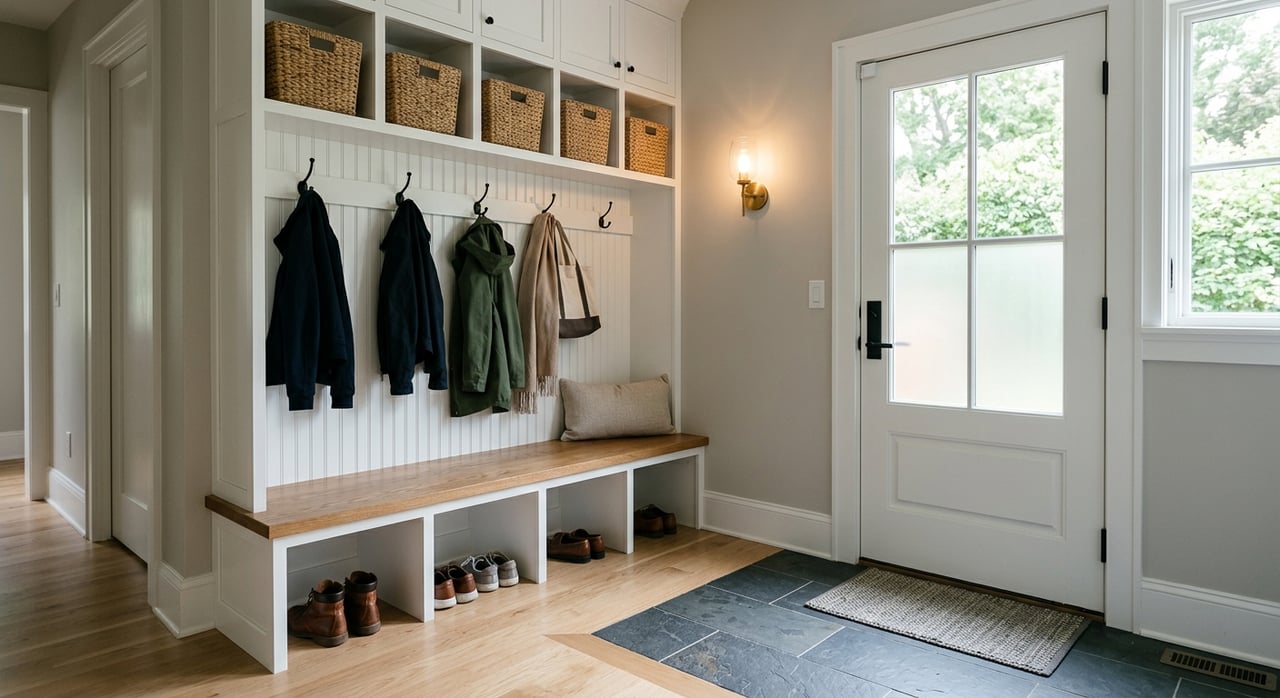
- Remove excess furniture and personal items
- Touch up walls with neutral colors like beige, gray, or soft white
- Improve lighting by replacing dim bulbs and opening window coverings
- Freshen high-visibility areas like the kitchen, living room, primary bedroom, and baths
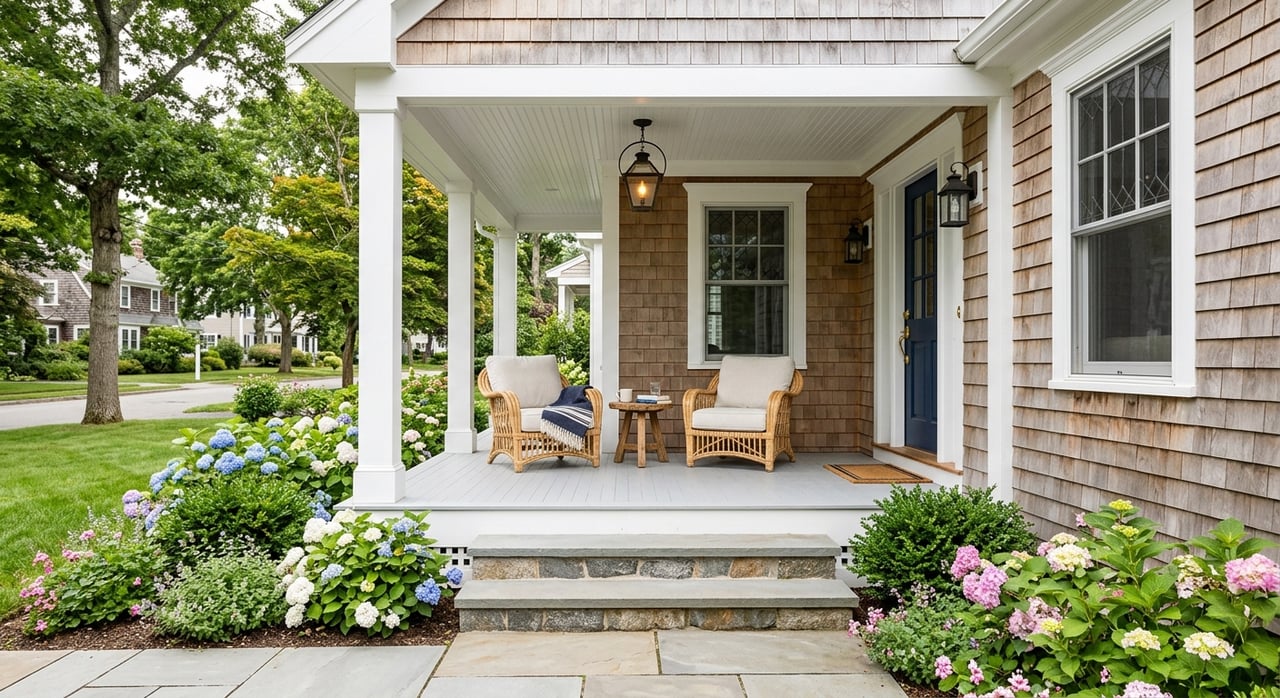
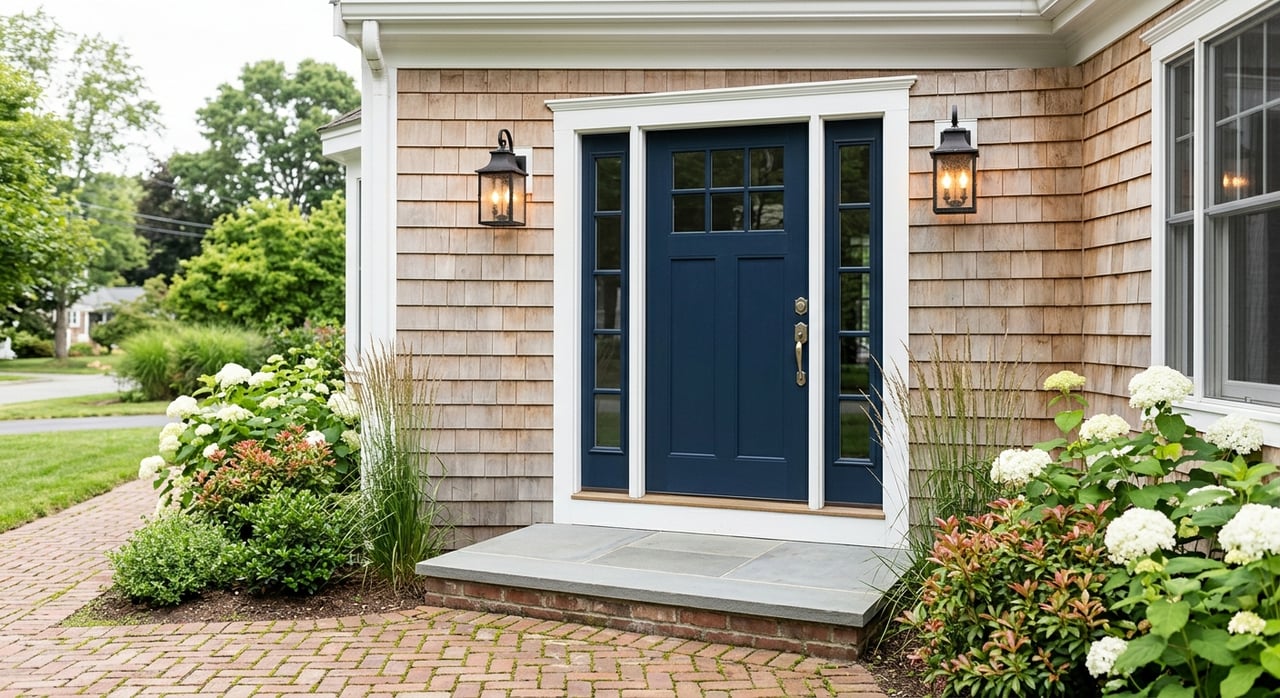
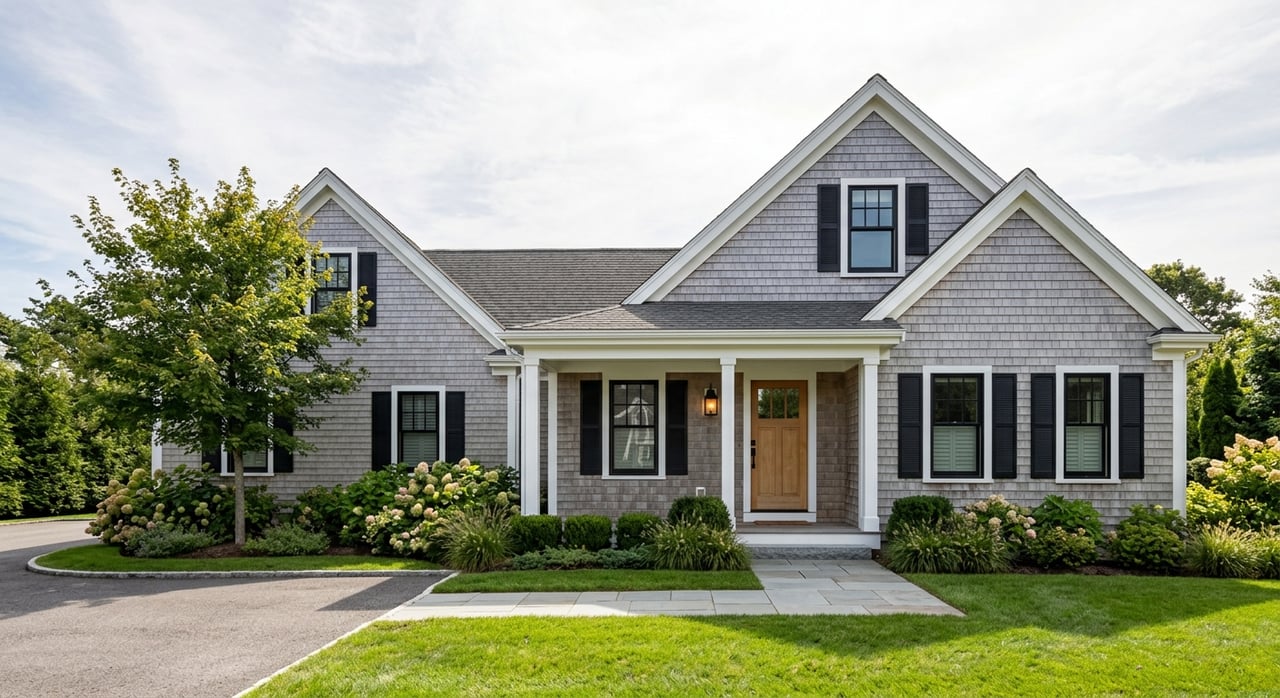
- Tidy landscaping and improve curb appeal at the entry
Simple staging can also help buyers see how rooms function. According to the research report, staging is best viewed as a temporary way to present the home in its best light, not as a full renovation plan.
Price from comparables, not online estimates
One of the most common seller mistakes is picking a number based on an automated estimate and assuming that is the market value. Online estimates can be useful for broad context, but they are not interchangeable with each other and they are not a substitute for a local comparative market analysis.
That matters in Abington because current public numbers vary depending on the source. Zillow reported an average home value of $593,559 as of March 31, 2026, while Redfin reported a March 2026 median sale price of $530,000, and Realtor.com showed a median sold price of $555,000 in April 2026. These figures reflect different methods and datasets, so they should not be treated as direct equivalents.
A more reliable pricing strategy starts with recent comparable sales. That means looking at homes similar to yours in property type, size, condition, updates, lot characteristics, and location within Abington. From there, you can adjust for features that affect buyer demand without pricing based on hope alone.
Match the price to your property type
Property type matters more than many sellers realize. A single-family home should be priced against comparable single-family homes, and a condo should be priced against comparable condos. Mixing those numbers can create unrealistic expectations from the start.
The local data in the research report makes that clear. In the Massachusetts Association of REALTORS® March 2026 report, the year-to-date median sales price in Abington was $567,500 for single-family homes and $289,900 for condos. That is a major difference, which is why pricing needs to reflect the right segment first, then your home’s specific condition and features.
If your home has updates, a larger lot, or standout functionality, those factors may support a stronger list price. If it needs visible work or has a less flexible layout, the pricing should reflect that too. Buyers compare options quickly, especially in a market with limited inventory.
Avoid the hidden cost of overpricing
In a market with about 1.0 months of single-family inventory and median days on market measured in the low 20s to 30 range, time matters. A home that launches too high can lose momentum fast, even when overall supply is tight. Buyers often notice when a listing lingers, and that can lead to tougher negotiations later.
Overpricing can also work against your prep efforts. You may invest time and money cleaning, painting, and staging, only to lose attention because the asking price feels out of step with recent sales. A better approach is to align the home’s presentation and its pricing so buyers can say yes with fewer objections.
That does not mean underpricing your home. It means pricing with discipline, using current comparable sales and your home’s actual condition. In Abington’s current market, that is often the path to stronger interest and a cleaner negotiation.
Handle Massachusetts sale requirements early
Good seller prep is not only about appearance. In Massachusetts, a few compliance items can affect your timeline and your negotiating position. The earlier you address them, the smoother your listing process can be.
Smoke and carbon monoxide alarms
Massachusetts requires working smoke alarms in every home, and most homes also need carbon monoxide alarms. For many sales and transfers, sellers need a certificate of compliance from the local fire department showing the alarms meet current requirements. If you wait until the last minute, this can create unnecessary stress before closing.
Lead paint rules for older homes
If your home was built before 1978, lead paint rules may apply. The research report notes that Massachusetts requires property-transfer lead paint notification, and sellers of pre-1978 housing must disclose known lead-based paint hazards. If renovation or painting work will disturb lead paint, certified firms and lead-safe work practices may be required.
Septic timing under Title 5
If your property has a private septic system, Title 5 timing can affect when you can realistically close. According to Mass.gov guidance in the research report, sale-related inspections are generally valid for two years, and in some cases for three years if the system is pumped annually and records are available. In limited weather-related cases, an inspection may be completed up to six months after the sale if the buyer is notified in writing.
Home inspection disclosure rules
Massachusetts also requires a separate residential home inspection disclosure before or at the first purchase contract for most 1 to 4 unit residential sales. This applies to many single-family homes, condos, and co-ops. For sellers, the key takeaway is simple: inspection readiness matters, because condition and disclosure issues can directly affect negotiations after an offer is accepted.
Build a smart pre-listing checklist
If you want to prepare your Abington home to sell with less stress, keep your checklist focused on the items most likely to affect showings, offers, and closing.
Here is a practical starting point:
- Deep clean the home from top to bottom
- Declutter and remove overly personal items
- Touch up paint with neutral colors where needed
- Fix visible maintenance issues if budget allows
- Improve curb appeal and entry presentation
- Gather records for major updates and repairs
- Confirm smoke and carbon monoxide alarm compliance steps
- Check whether lead paint rules apply if the home was built before 1978
- Review septic inspection timing if the property is not on sewer
- Prepare for the required Massachusetts home inspection disclosure process
- Price the home using recent comparable sales, not a single online estimate
This kind of planning can make your home easier to market and easier to negotiate. It also helps buyers feel more confident about your asking price.
Work with a local strategy, not a generic one
Abington may be a smaller market, but that is exactly why local judgment matters. Small sample sizes can make one-month statistics look more dramatic than they really are, and broad online numbers do not always capture the details that influence your final sale price. Your timing, property type, condition, and competition all shape the right strategy.
A strong listing plan should connect the dots between preparation, pricing, and local market behavior. When those pieces work together, you are in a better position to attract attention early, reduce buyer uncertainty, and move toward closing with fewer surprises. That kind of steady, informed approach is often what helps sellers make confident decisions from day one.
If you are thinking about selling in Abington and want practical, local guidance on pricing, preparation, and timing, the Costantino Realty Team can help you build a plan that fits your home and your goals.
FAQs
How should you price a home for sale in Abington, MA?
- The best starting point is a comparative market analysis based on recent similar sales in Abington, adjusted for property type, condition, updates, lot size, and location within town.
What should you fix before listing a home in Abington, MA?
- Focus on visible maintenance issues, safety-related concerns, deep cleaning, decluttering, neutral paint touch-ups, and simple staging that helps buyers see the home clearly.
Do online home value estimates work for pricing an Abington home?
- Online estimates can provide broad context, but they use different methods and should not replace local comparable sales when setting an asking price.
What smoke and CO requirements apply when selling a home in Massachusetts?
- Massachusetts requires working smoke alarms in every home and most homes also need carbon monoxide alarms, and sellers generally need a certificate of compliance from the local fire department for a sale or transfer.
What lead paint rules matter when selling an older Abington home?
- If the home was built before 1978, sellers must address required lead paint notification and disclose known lead-based paint hazards, and any qualifying renovation work that disturbs lead paint may require lead-safe practices.
What septic inspection timing should sellers know in Massachusetts?
- If the property has a private septic system, Title 5 inspection timing can affect closing, and the inspection is generally valid for two years, with some exceptions described by Mass.gov.
What home inspection disclosure is required for Massachusetts home sales?
- For most 1 to 4 unit residential sales, Massachusetts requires a separate residential home inspection disclosure before or at the first purchase contract, and buyers must still have a reasonable opportunity to inspect the property.