Buying your first home in Abington can feel like a fork in the road. Do you choose a condo with a lower price point and less exterior upkeep, or a house with more space and control? If you are weighing both options, the good news is that Abington gives you a real, practical comparison. This guide will help you understand the local market, the cost differences, and the day-to-day tradeoffs so you can make a decision that fits your budget and lifestyle. Let’s dive in.
Abington Market Basics
Abington is still a town where detached homes make up most of the housing stock. According to the Old Colony Planning Council’s town planning materials, parcel data listed 3,848 single-family parcels and 774 condominium parcels in 2024. The same report also notes a 74.2% owner-occupied housing rate, which points to a market shaped largely by owner-occupants.
That matters when you start your search. In simple terms, you will usually see more houses than condos in Abington, and that wider selection can affect both your timing and your options.
Why Location Patterns Matter
Abington’s housing choices are also tied to how the town developed over time. The planning report explains that restored commuter rail service helped encourage condominium and apartment construction west of Route 18 and north of Rockland Street.
If you commute toward Boston or Cambridge, that pattern may matter to you. The town is served by the MBTA Kingston/Plymouth commuter rail branch, though the same report says there are no fixed-route bus services and only limited local BAT service.
Price Differences in Abington
For many first-time buyers, price is the biggest factor. Recent Massachusetts Association of REALTORS market data show a consistent gap between condos and single-family homes in Abington.
In the December 2025 year-to-date figures, the median sales price was $612,500 for single-family homes and $460,000 for condominiums. In the September 2025 monthly report, the median was $676,700 for single-family homes and $450,000 for condos.
Because condo sales volume in Abington is relatively small, these numbers are best read as a trend rather than an exact pricing rule. Still, they clearly show that condos have generally been priced well below single-family homes.
Inventory Is Tight, Especially for Condos
Lower price does not always mean easier to buy. The same Abington market report showed just 1 condo on the market in December 2025 compared with 9 single-family homes. In September 2025, there were 2 condos versus 22 single-family homes.
That means if you are looking for a condo or townhouse in Abington, you may need to act quickly and stay flexible. If you are open to a house, you will usually have more choices at any given time.
What a Condo Offers First-Time Buyers
A condo often appeals to first-time buyers because it can be a more manageable entry point. The lower purchase price can make homeownership feel more reachable, especially if you are trying to balance down payment goals, monthly costs, and closing expenses.
A condo can also simplify maintenance. According to Fannie Mae’s homebuyer guidance, condo fees often help cover exterior repairs and common areas, though your exact coverage depends on the association.
What Condo Fees Usually Cover
Condo fees are separate from your mortgage payment. The Consumer Financial Protection Bureau says HOA or condo dues can range from a few hundred dollars to more than $1,000 per month.
In many communities, those fees may help cover:
- Exterior maintenance
- Common-area repairs
- Landscaping or snow removal
- Water or sewer
- Trash service
- Shared amenities, if the community has them
You still need to budget for your mortgage, property taxes, insurance, utilities, and upkeep inside your unit. So while condos can reduce some maintenance tasks, they do not remove all homeowner costs.
Condo Rules and Financing Matter
When you buy a condo, you are buying into both a home and an association. That is why the association’s finances, rules, insurance, and owner-occupancy levels matter.
Fannie Mae’s condo project tools and HUD guidance both note that some condo projects must meet certain standards before buyers can use specific loan programs. For you, that means it is smart to ask early whether a project works with conventional or FHA-style financing, what the monthly fee is, and whether there are any upcoming assessments or major repairs.
What a House Offers First-Time Buyers
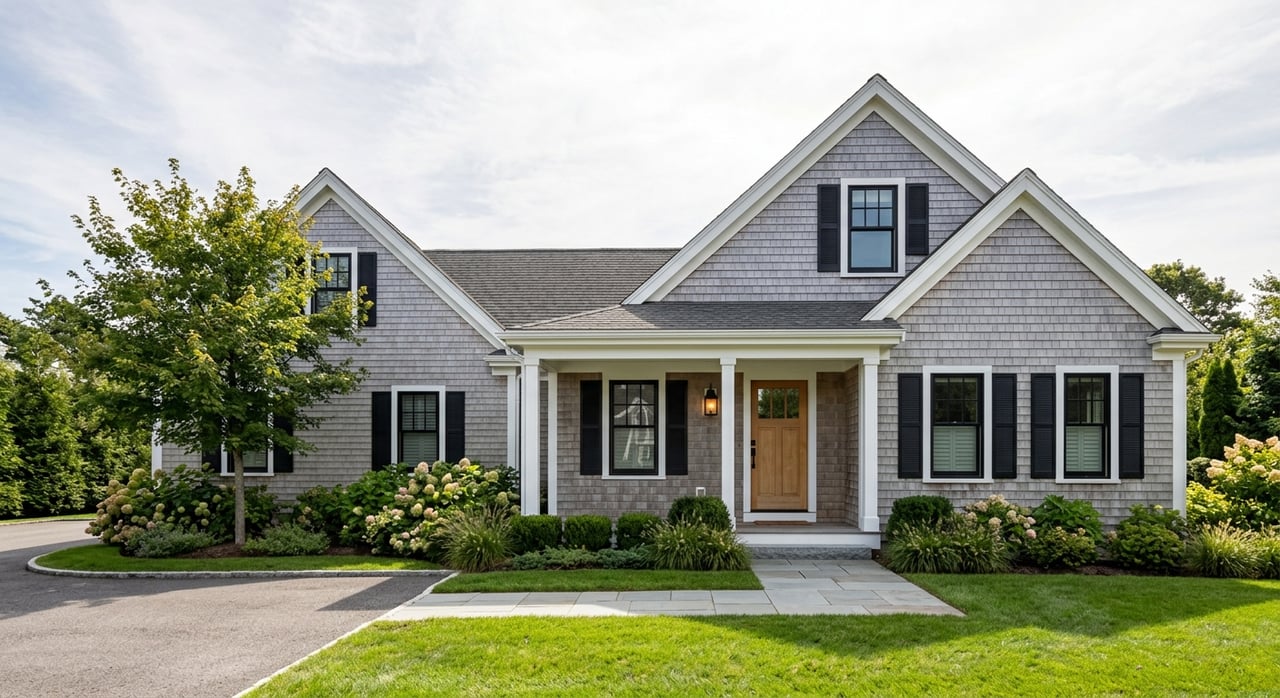
A single-family house usually offers more privacy, more independence, and more control over the property. If you want your own yard, fewer shared walls, or more freedom to make changes over time, a house may be the better fit.
That choice also matches Abington’s overall housing pattern. The town planning materials make it clear that detached homes remain the dominant housing type in town.
More Control, More Responsibility
The tradeoff is maintenance. A house gives you more say over the property, but it also gives you more to manage.
As Fannie Mae explains for buyers, homeowners should plan for mortgage costs, taxes, insurance, utilities, and property maintenance. With a house, that can include roof repairs, landscaping, snow removal, heating systems, siding, windows, and general wear and tear.
For some buyers, that extra responsibility is worth it. For others, it can feel like too much while they are still adjusting to the costs of first-time ownership.
Comparing Property Taxes in Abington
Property taxes are part of the picture whether you buy a condo or a house. The Massachusetts Department of Revenue lists Abington’s fiscal 2025 residential tax rate at $13.06 per $1,000 of assessed value.
Using the median prices above as simple examples, a $460,000 condo would work out to about $6,008 per year in property taxes. A $612,500 single-family home would work out to about $7,999 per year.
The key point is that taxes are driven more by value than by property type. A lower-priced condo may come with a lower tax bill, but the rate itself is the same residential rate.
Condo or House: A Simple Comparison
If you are stuck between the two, this quick side-by-side can help:
| Factor | Condo | House |
|---|---|---|
| Typical price point in Abington | Lower | Higher |
| Inventory | Very limited | More options |
| Exterior maintenance | Often shared through condo fees | Your responsibility |
| Monthly predictability | Can be more predictable, but includes condo fees | Fewer shared fees, but more repair variability |
| Privacy and control | Less control due to association rules | More control over the property |
| Financing complexity | Can be more complicated | Usually more straightforward |
How to Decide What Fits You
The best first home is not always the one with the lowest price or the biggest yard. It is the one that fits your finances, your schedule, and the kind of ownership experience you actually want.
A condo may make more sense if you want:
- A lower entry price
- Less exterior upkeep
- A more predictable monthly routine
- A location that may be closer to commuter-friendly areas
A house may make more sense if you want:
- More privacy
- More control over the property
- More room to grow into the home long term
- A property type that is more common in Abington
Questions to Ask Before You Choose
Before you make an offer, ask yourself:
- Am I more comfortable with condo fees or surprise repair costs?
- Do I want less maintenance, or do I want more control?
- If I choose a condo, what exactly do the monthly fees cover?
- Is this attached home legally a condo or a fee-simple townhome?
- Does the community work with the financing I plan to use?
- How much inventory is available right now for the property type I want?
Those questions can bring a lot of clarity, especially in a market like Abington where condo inventory can be limited and detached homes still dominate the landscape.
The Right First Home Is Personal
In Abington, condos and houses both have a place in the market, but they serve different needs. Condos can offer a more affordable and lower-maintenance start, while houses often offer more space and long-term flexibility. Neither option is automatically better. The right choice depends on what kind of monthly budget, maintenance load, and lifestyle you want to take on.
If you want help comparing homes, condo communities, and financing considerations in Abington, the Costantino Realty Team can help you sort through the options with clear, practical guidance.
FAQs
What is the main price difference between condos and houses in Abington?
- Recent Abington market data showed condos around the mid-$400,000s and single-family homes in the low-to-mid $600,000s, though condo sales volume is small and prices should be viewed as directional.
What do condo fees usually cover in an Abington condo purchase?
- Condo fees often help cover exterior maintenance, common areas, and sometimes services like water, sewer, or trash, but you still need to pay your mortgage, taxes, insurance, utilities, and upkeep inside the unit.
Why is buying a condo in Abington sometimes harder than buying a house?
- Condo purchases can involve added financing and association review because the project itself may need to meet lender standards related to insurance, occupancy, and overall project condition.
How limited is condo inventory in Abington for first-time buyers?
- Recent market reports showed only 1 to 2 condos on the market at certain points, compared with 9 to 22 single-family homes, so condo buyers may have fewer choices.
How much are property taxes for a first home in Abington?
- Using Abington’s fiscal 2025 residential tax rate of $13.06 per $1,000 of assessed value, a $460,000 condo would be about $6,008 per year and a $612,500 house would be about $7,999 per year.
How do you choose between a condo and a house in Abington as a first-time buyer?
- A condo may fit better if you want a lower price point and less exterior maintenance, while a house may fit better if you want more privacy, more control, and more space over time.