If you are thinking about a move to the South Shore, Abington often stands out for a simple reason: it offers a mostly residential, neighborhood-focused setting with commuter access, local parks, and everyday amenities that make life feel manageable. You may be looking for a place with a strong single-family housing base, a practical location, or a town that supports different stages of life. This guide will walk you through what it is like to live in Abington, MA, so you can get a clearer sense of the housing, commute, recreation, and daily routine. Let’s dive in.
Abington at a Glance
Abington is a Plymouth County town with about 17,090 residents living across 9.96 square miles, according to U.S. Census QuickFacts. The same data shows a median household income of $125,400, an average household size of 2.65, and a 72.7% owner-occupancy rate.
Those numbers help paint a picture of a stable, mostly owner-occupied community. Census data also shows 22.2% of residents are under 18 and 13.1% are 65 and over, which points to a town that appeals to a mix of households, including long-term owners and people looking for a more settled residential environment.
Housing in Abington
Single-family homes lead the market
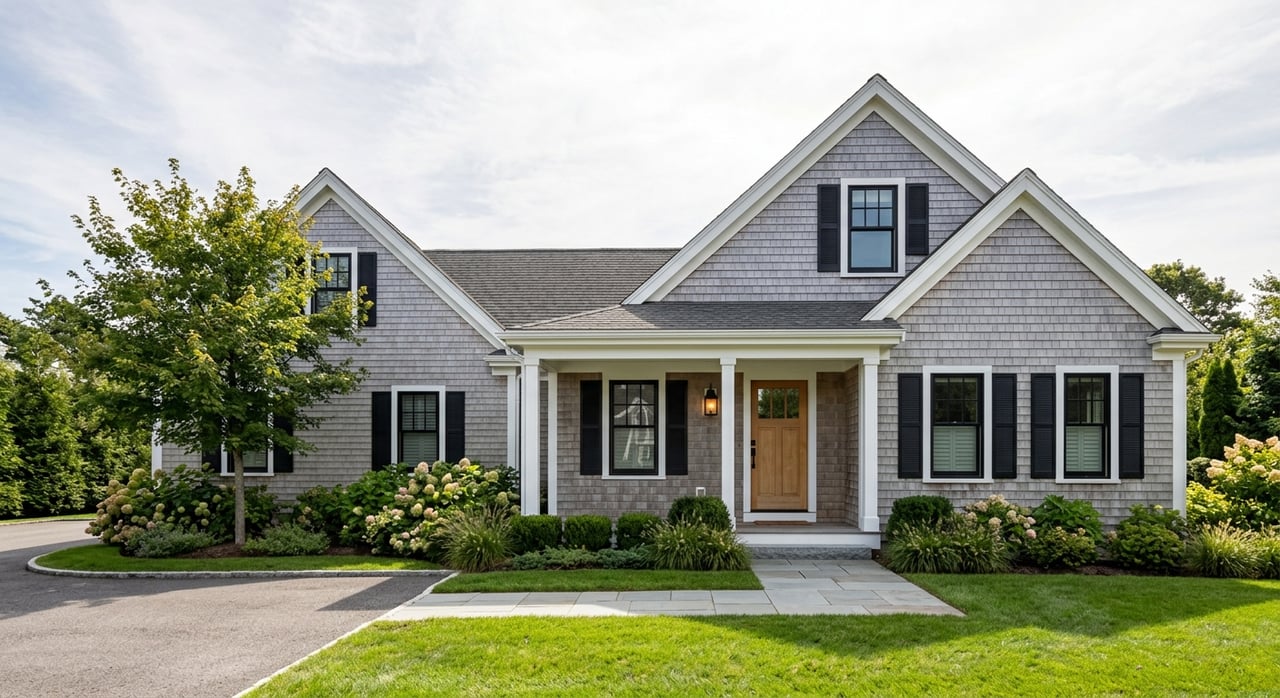
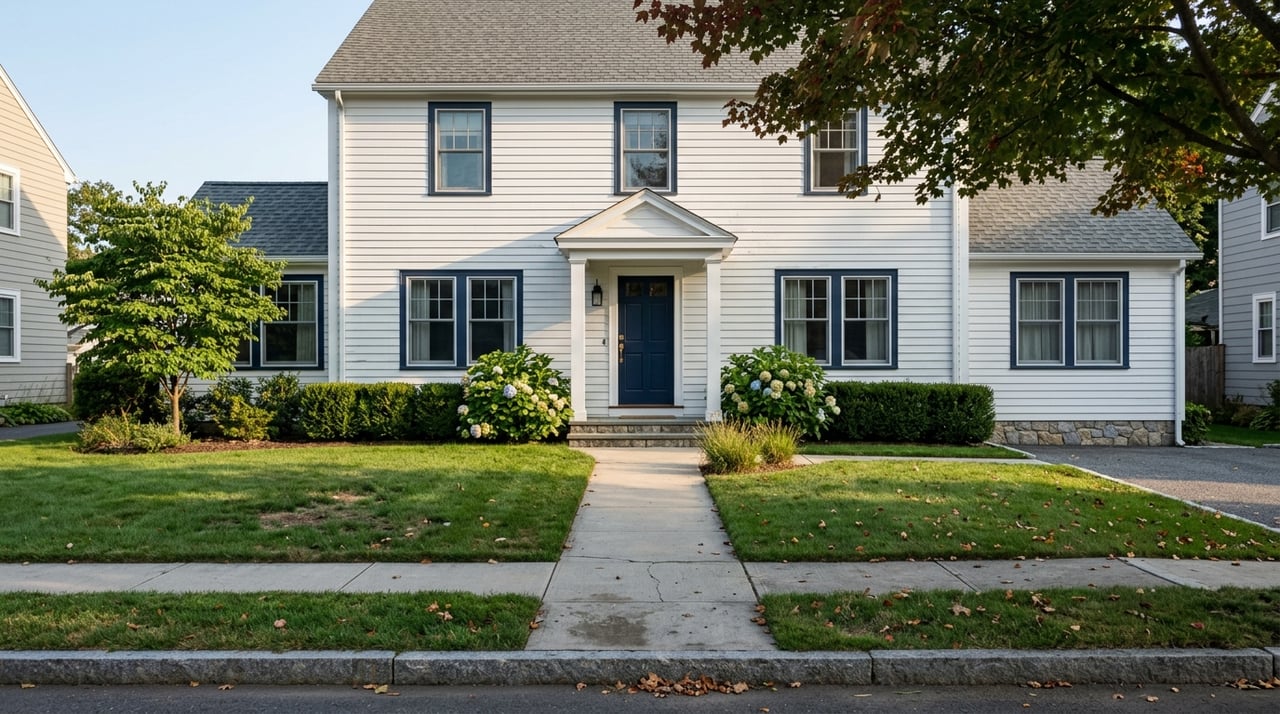
If you picture Abington as a town of mostly single-family homes, that is largely accurate. A regional housing needs assessment for Abington reports that about 66% of the housing stock is single-family, with 13% in two- to four-family properties and about 20.1% in multifamily buildings with five or more units.
For buyers, that means the housing mix still leans toward traditional detached homes. At the same time, there are some alternatives for people considering condos, apartments, or smaller multifamily options depending on availability.
Older homes shape the housing character
Abington has a mix of older homes and more limited new construction. The same housing report notes that 29% of homes were built before 1939, while 11% were built since 2000.
In practical terms, you may find a range of property styles and ages rather than a town dominated by brand-new development. That can appeal to buyers who want established neighborhoods, while also meaning home condition, updates, and maintenance can vary from one property to the next.
Housing costs are important to plan for
Cost is a major part of the decision when you are exploring Abington. Census housing data lists the median value of owner-occupied homes at $539,600, median monthly owner costs with a mortgage at $2,874, and median gross rent at $1,724.
That places Abington in a relatively high-cost range for both ownership and renting. If you are planning a move here, it helps to review your monthly budget carefully and think not just about the purchase price, but also taxes, insurance, utilities, and upkeep.
Getting Around Abington
Commuter rail adds regional access
One of Abington’s practical advantages is its rail access. Town and state planning materials describe Abington as a commuter rail community served by the MBTA Plymouth/Kingston Line, with the station located off Center Avenue, also known as Route 123, and functioning as a park-and-ride stop for Abington, Rockland, and Hanover. You can see that in the town planning materials shared through Mass.gov.
For commuters heading toward Greater Boston or connecting through the region, that is a meaningful convenience. It gives you another option beyond driving the full route every day.
Daily life is still car-oriented
Even with rail service, Abington is still described in town housing production materials as an auto-dependent community. The same planning documents also note that the town has a well-developed sidewalk network compared with many nearby communities.
That balance is helpful to understand. You may be able to handle some nearby trips on foot, but many errands and much of day-to-day travel will still likely happen by car.
Local connectivity is improving
Abington is also investing in ways to improve local movement and public spaces. According to the town, the Greenwave Connector Trail project and North Abington improvements include a trail connection behind the library, links to local amenity areas, and downtown beautification efforts like new lights and planters.
For residents, these projects can improve how connected and cared-for different parts of town feel over time. The town also offers specialized DIAL-A-BAT transit service for seniors and disabled residents, which adds another layer of local support.
Parks and Outdoor Recreation
Island Grove is a major community spot
When people think about outdoor life in Abington, Island Grove is one of the first places that comes up. The town describes it as a historic park and a summer hub, and notes that 2025 Island Grove improvements include a new snack shack and a small play structure near the swimming area.
That gives Abington a strong seasonal rhythm. In warmer months, Island Grove becomes a natural place for swimming, gatherings, and casual outdoor time.
Ames Nowell offers year-round nature access
For more wooded trails and pond-centered recreation, Ames Nowell State Park is a major local asset. The park is open year-round for daytime use and includes hiking trails, canoeing, kayaking, boating, fishing, mountain biking, cross-country skiing, picnic areas, and other recreational features around Cleveland Pond.
If outdoor access matters to you, this is one of the town’s strongest lifestyle benefits. It gives residents a reliable local option for both active recreation and quieter time outside.
Recreation investment is ongoing
Abington is not standing still when it comes to public recreation. The town reports that in 2025, nearly one million dollars was directed toward park and recreation updates, including new playgrounds at Green Street, Arnold Park, and Island Grove, and it also notes access to the Hanover Branch Rail Trail and other recreation projects.
That kind of investment matters because it supports daily quality of life, not just occasional outings. It also signals continued attention to shared public spaces across town.
Everyday Amenities and Town Services
The library is a real community hub
A good town library can make a bigger impact on daily life than many people expect. The Abington Public Library offers more than books, with town information highlighting story times, study spaces, technology help, free Wi-Fi, Chromebooks, museum passes, and programs for children, adults, and seniors.
That kind of space can support work, learning, errands, and community connection all in one place. For many residents, it is part of the weekly routine rather than an occasional stop.
Senior services add support
Abington also has a strong support system for older adults through the Council on Aging and Senior Center at 441 Summer Street. Town information lists meals, exercise classes, health screenings, social activities, and transportation help, including rides to stores, appointments, and outings.
For seniors, caregivers, and multigenerational households, those resources can be a meaningful part of daily livability. They add convenience and support without requiring residents to leave town for every service.
Town maintenance supports livability
A lot of what makes a town feel comfortable is not flashy. The town notes that the Department of Public Works maintains roads, sidewalks, parks, and sewer and stormwater infrastructure, while North Abington continues to see public improvements such as lights and planters.
These details shape how a town functions day to day. Clean, maintained public infrastructure helps support a smoother routine whether you are commuting, walking locally, or simply spending time around town.
What Daily Life Feels Like
Abington’s overall lifestyle is best described as stable, residential, and practical. It has a strong owner-occupied base, housing that is still led by single-family homes, and a pace that feels more neighborhood-focused than fast-moving.
At the same time, it is not isolated. Commuter rail access, local parks, public amenities, and ongoing town improvements give you a mix of suburban routine and regional connection.
If you are considering a move to Abington, the right fit often comes down to what you value most. If you want a South Shore town with established housing, useful local amenities, and a commuter-friendly location that still feels grounded in everyday community life, Abington is worth a closer look.
If you want help figuring out whether Abington matches your goals as a buyer or seller, the Costantino Realty Team can help you make sense of the local market with clear, practical guidance.
FAQs
What kind of housing is most common in Abington, MA?
- Abington’s housing stock is mostly single-family homes, which make up about 66% of local housing units, with additional two- to four-family and multifamily options according to the regional housing report.
Is Abington, MA good for commuting?
- Abington is commuter-friendly in that it has MBTA commuter rail service on the Plymouth/Kingston Line and a park-and-ride station, but many daily trips and errands still rely on a car.
What are popular things to do in Abington, MA?
- Local lifestyle anchors include Island Grove, Ames Nowell State Park, town recreation spaces, and the Abington Public Library, which offers programs and services for different age groups.
Is Abington, MA mostly newer homes or older homes?
- Abington has a mix, but much of its housing is older, with 29% of units built before 1939 and a smaller share built since 2000.
Is the housing market in Abington, MA changing?
- The town’s housing stock remains heavily single-family, but planning efforts such as MBTA Communities compliance, a housing production plan update, and by-right accessory dwelling unit rules suggest gradual change over time.